- Eggbun's Newsletter
- Posts
- Eggbun Newsletter!

📖 Read Classic Korean Poems 📖
In our new Eggbun School, starting this April 14th, we'll be reading classic Korean poems together, learning about the context, and discussing them.
Today, I'd like to introduce you to one of the poems we'll study in the new course and its author, the poet.
Before we dive into the poem, here's a little bit about the poet: 방정환 is a respected child rights activist known not only for his literary achievements but also for his advocacy for children's rights and welfare.
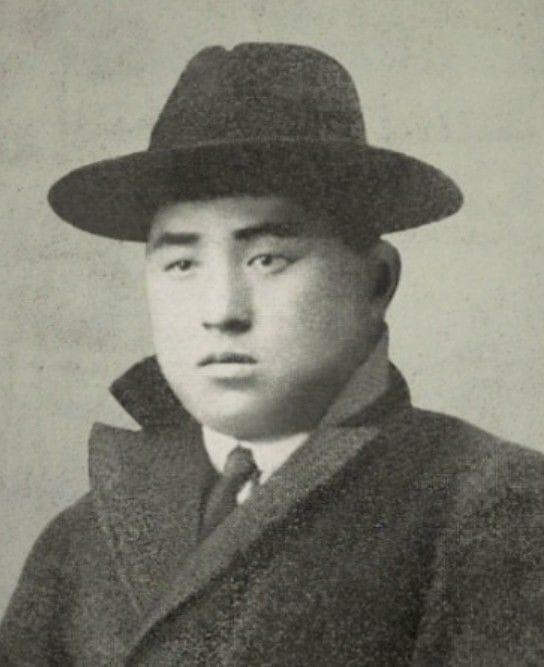
He first coined the word "어린이(child)" and the Children's Day(May 5th) he began celebrating in 1923 to promote children's personhood and pursuit of happiness remains a major national holiday in Korea today.

The poem is about the disappearance of one of the three stars, leaving the remaining stars weeping. On top of that, understanding the historical context enriches our appreciation for this poem.
As we explore this poem, we'll learn both the basic meaning of the Korean vocabulary and its poetic meaning.
🎞️ Learn Korean through webtoons with Eggbun! 🎞️
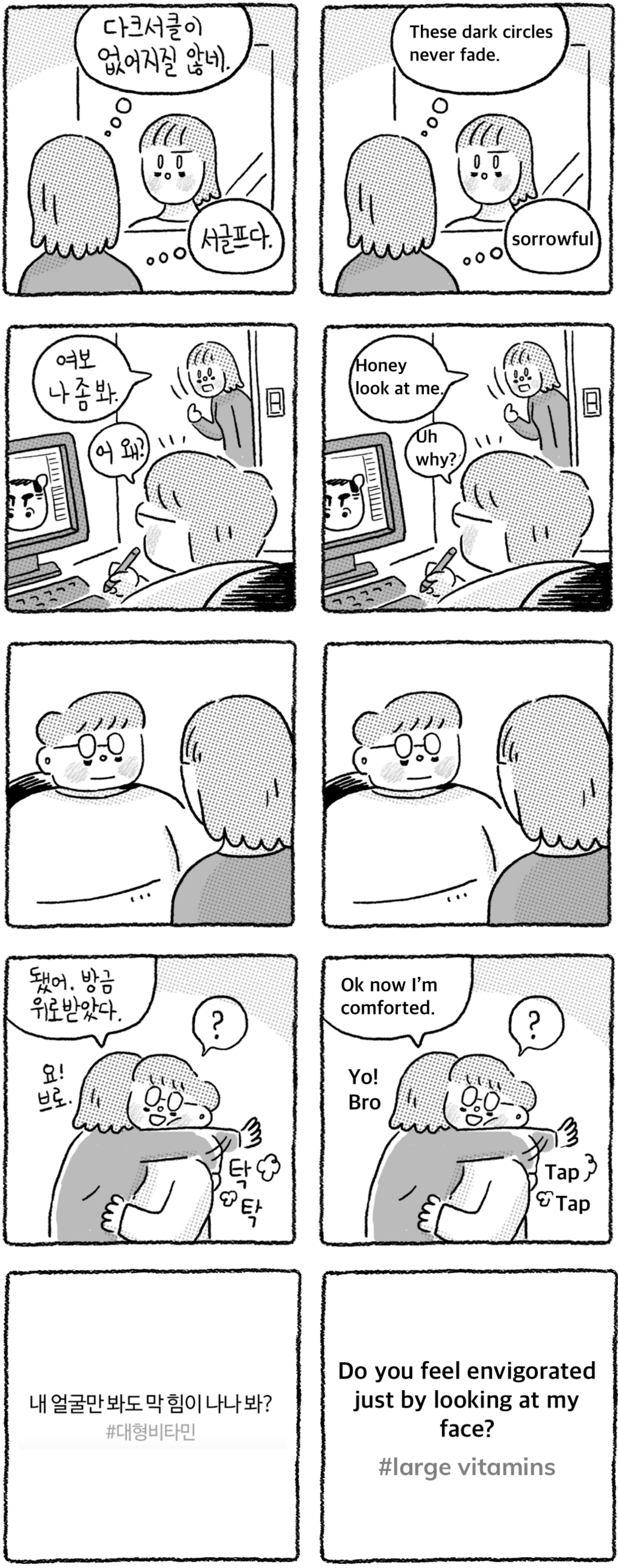
아빠는 N살 (Dad is N years old)
N years since I’ve become a dad, N years living as a dad.
EP. 대형 비타민 Large Vitamin
|
|
A Place Worth Visiting for Free without Reservation in Seoul:
📖 서울야외도서관 Seoul Outdoor Library 📖
Seoul will host the Seoul Outdoor Library every Thursday through Sunday from April 18 through November 10. This year, it will be operated in three locations: Seoul Plaza, Gwanghwamun Plaza, and Cheonggyecheon.
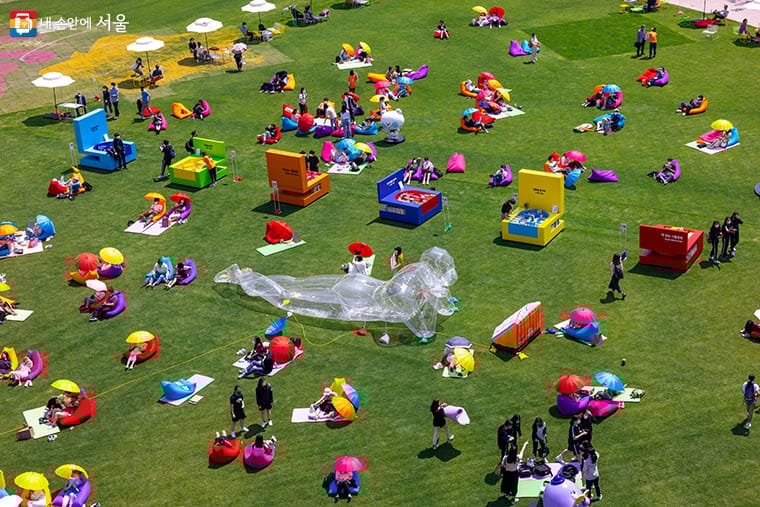
The Seoul Outdoor Library is loved by citizens, including being selected as the No. 1 news in Seoul's Top 10 News last year. Last year, it won the Green Library Award 2023 at the World Library and Information Congress (WLIC) organized by the International Federation of Library Associations (IFLA) for its "Buildingless Library" project.
In particular, this year, the library did not close in the middle of summer (early June to September), but was converted into a 'night library' and operated from 4 to 9 p.m., allowing visitors to enjoy a special experience of reading with the cool night breeze.
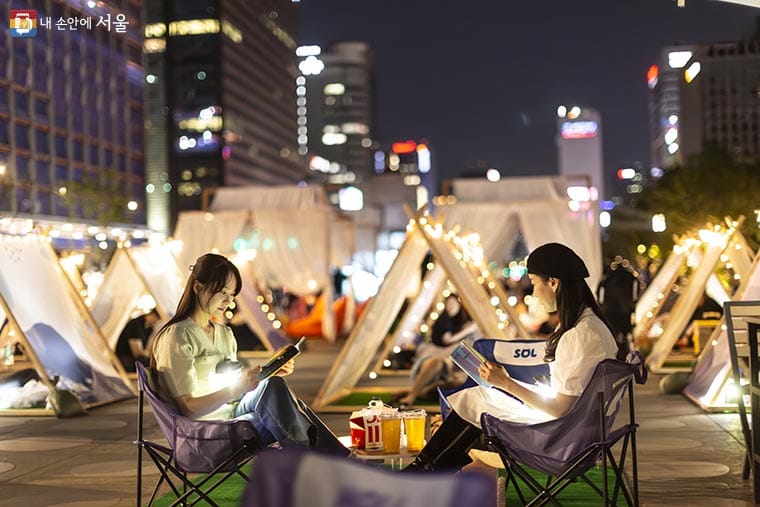
‘책읽는 서울광장 Seoul Plaza for Reading' is open four times a week (Thursdays through Sundays).
It will be operated as an ‘urban living room‘ where the whole family can relax under the open sky. There will be new "family beanbags" where families, couples, and friends can sit and read together, and a ‘creative playground’ in the center of the plaza will be expanded to make it a happy place for moms, dads, and kids alike.
'광화문 책마당 Gwanghwamun Bookmarket' is open three times a week (Fridays through Sundays).
It will be decorated as an 'urban retreat' with the foothills of Bukhak Mountain in the background. 'Bookbeds' and 'book camping' spaces are created, and hatch sculptures are installed according to the concept of each location, from Yukjo Yard to Gwanghwamun Lounge, to create pleasant memories of traveling.
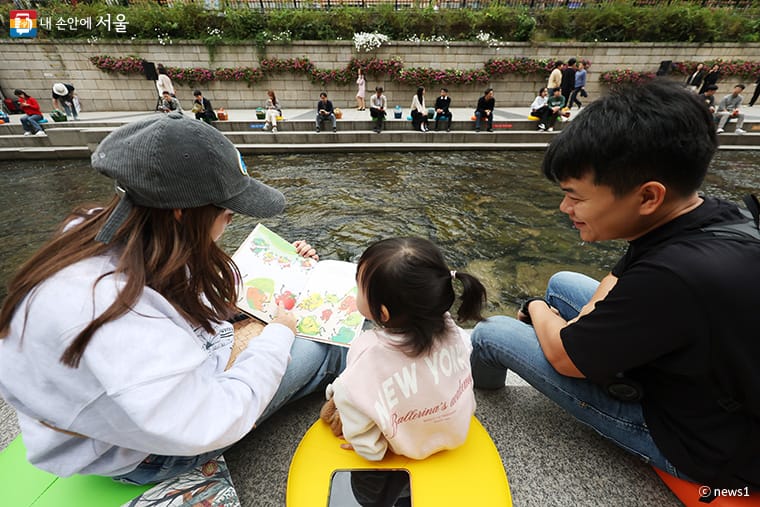
'책읽는 맑은냇가 Cheonggyecheon Clear Stream for Reading', which was popular during last year's pilot, is open twice a week (Fridays and Saturdays) from April to June and September to October.
It is operated as an 'immersive space' where you can let go of your daily woes with the sound of the Cheonggyecheon stream.