- Eggbun's Newsletter
- Posts
- Eggbun Newsletter!
Eggbun Newsletter!
🐯 Exploring Korean phrase related to Tigers, Seoul attraction to visit in winter🐯

Eggbun Education
January 29, 2024
🐯 Exploring the Korean Phrase "호랑이 담배 피던 시절" - A Journey to Ancient Times 🐯
We hope this newsletter finds you well and excited to dive deeper into the fascinating world of the Korean language. Today, we'll explore a unique Korean phrase that holds a rich historical and cultural background: "호랑이 담배 피던 시절" (The days when tigers used to smoke).
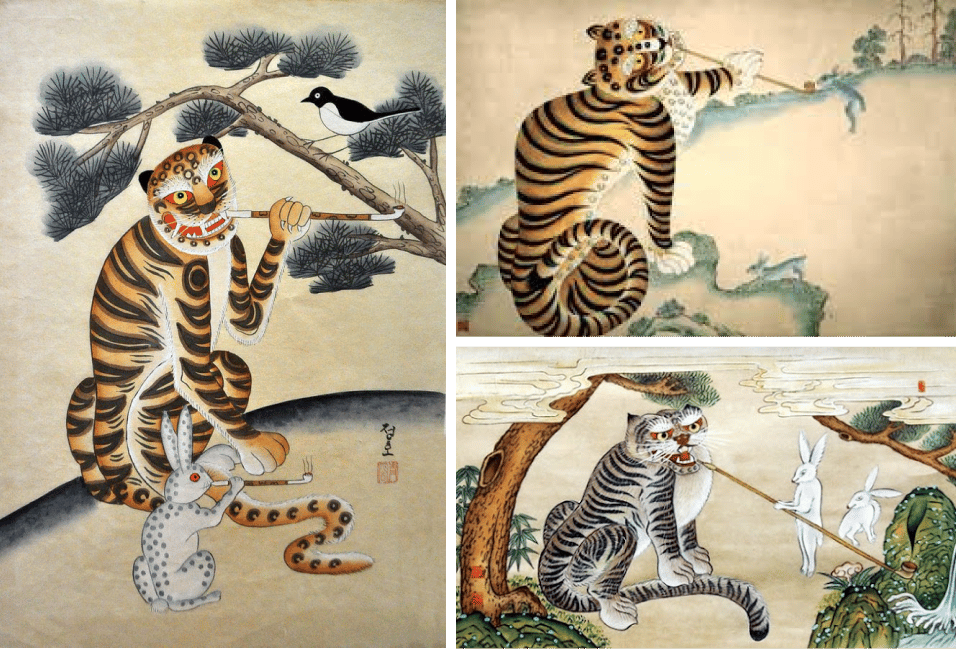
Understanding the Expression: "호랑이 담배 피던 시절" is an idiomatic expression used in Korea before telling traditional folktales or stories. It symbolizes a time long ago, creating a vivid picture of ancient settings before launching into a narrative. It corresponds to "Once upon a time" in English.
Historical Context: Since the introduction of tobacco to Korea was around the time of the 임진왜란(Imjin War) in the late 16th century, it is estimated that the expression is at least from the 16th or 17th century, but since it is an oral idiom, there is no clear consensus on when exactly the expression originated.
Speculations on Origin: When cigarettes were introduced in the Joseon Dynasty, they were smoked regardless of status or age. There was no etiquette or formality about smoking, and even young children began to learn to smoke, and the number of smokers grew.
However, in the 18th century, the Joseon gentry began to impose restrictions on smoking, and there were manners and formalities similar to the ones we have today, such as "you shouldn't smoke in front of adults," so it's often assumed that they were nostalgic for the days when they could smoke without any restrictions and expressed the phrase "the old days when even tigers smoked".
As you continue your Korean language journey, keep this expression in mind, and perhaps use it to add a touch of cultural flair to your storytelling or conversations.
Happy learning, and may your Korean language adventure be as rich and vibrant as the tales from the "호랑이 담배 피던 시절"!
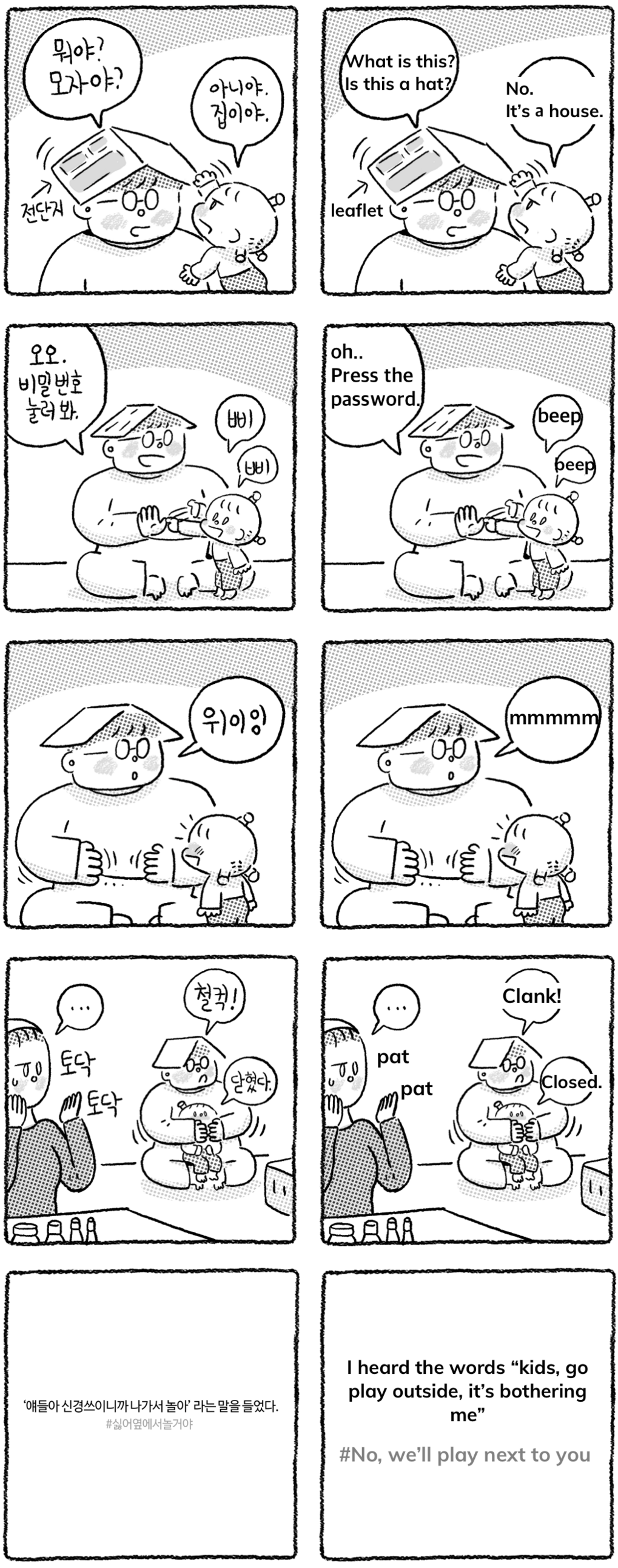
🎞️ Learn Korean through webtoons with Eggbun! 🎞️
아빠는 N살 (Dad is N years old)
N years since I’ve become a dad, N years living as a dad.
EP. 얘들아, 나가서 놀아. Kids, go play outside
|
|
❄️ Seoul attractions to visit in winter ❄️
<Seoul Plaza Ice Skate Rink>

The Seoul Plaza Ice Skate Rink will be open until February 11. The skate rink is open from 10 a.m. to 9:30 p.m. Sunday through Thursday and from 10 a.m. to 11 p.m. on Fridays, Saturdays, and holidays.
The entrance fee has remained the same since it first opened in 2004, at 1,000 won, so that anyone can enjoy it. Safety equipment such as helmets and knee pads can be rented for free, and personal winter gear and lockers are available for a fee.
📞 Tel: 1551-2051 (10:00~18: