- Eggbun's Newsletter
- Posts
- Eggbun Newsletter!
Eggbun Newsletter!
🎉Celebrate 설날(Seollal), 떡국(Tteokguk) Recipe🎉

Eggbun Education
February 05, 2024
🌙 Celebrate 설날 (Korean Lunar New Year) with Joy and Tradition! 🎉
안녕하세요!
As the 설날(Seollal), Korean Lunar New Year, approaches, we're excited to bring you a special newsletter dedicated to this festive occasion! Whether you're just starting to learn Korean or looking to deepen your cultural knowledge, 설날 (or 설) is a perfect opportunity to immerse yourself in the rich traditions of Korea.
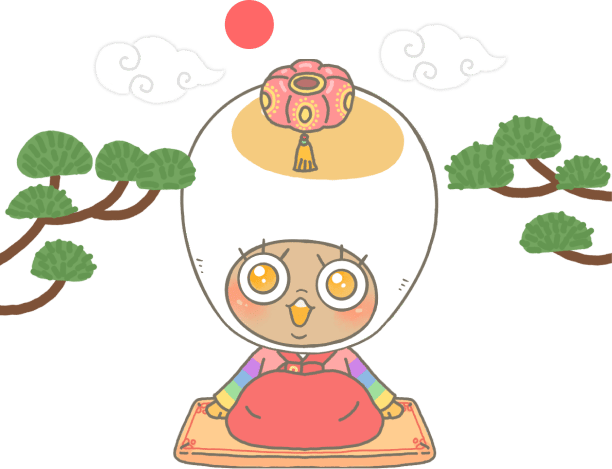
🎊 설날 (Seollal) Overview: 설날 is a time-honored celebration that marks the beginning of the lunar new year in Korea. Families come together to pay respects to ancestors, share delicious meals, play traditional games, and wish each other good fortune for the coming year. It's a time of warmth, reflection, and connection.
This year's Lunar New Year is on February 10th, and it is a four-day holiday from February 9th to 12th.
I will introduce the activities that Koreans do on Lunar New Year's Day.
🌸 세배 & 세뱃돈(New year’s bow & pocket money): Koreans also perform a big New Year’s bow, Sebae (세배) to the elders in the family. Sebae is a greeting bow to the elders, wishing them good health for the year. Elders give words of blessing to the younger members of the family.
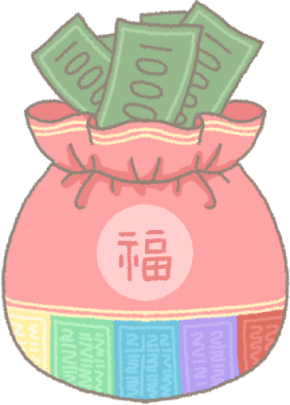
Usually, adults give pocket money to children when they perform the New Year’s bow, Sebae. That pocket money is called Sebaetdon (세뱃돈 :lit. money for 세배).
🍲 설날 음식 (Seollal Food): Food plays a central role in 설 celebrations. 떡 (rice cake), 전 (pan-fried dishes), and various types of 반찬 (side dishes) are prepared to share with family and friends. Why not try your hand at cooking some traditional 설날 음식 to enhance your cultural experience? We've included a simple recipe for 떡국 (tteokguk), a soup made with sliced rice cakes.
🎲 설날 놀이 (Seollal Games): Get ready for some fun and friendly competition with traditional 설날 놀이! 윷놀이(Yutnori), a board game using stick-like pieces, and 제기차기(jegichagi), a game of kicking a small paper shuttlecock, are popular choices during 설. Gather your friends for a virtual game night and enjoy these age-old traditions together.
We hope this newsletter inspires you to embrace the beauty of 설 and deepen your connection to Korean culture. Wishing you a joyful Seollal filled with love, laughter, and new cultural experiences!
새해 복 많이 받으세요! - Have a Prosperous New Year!
🎞️ Learn Korean through webtoons with Eggbun! 🎞️
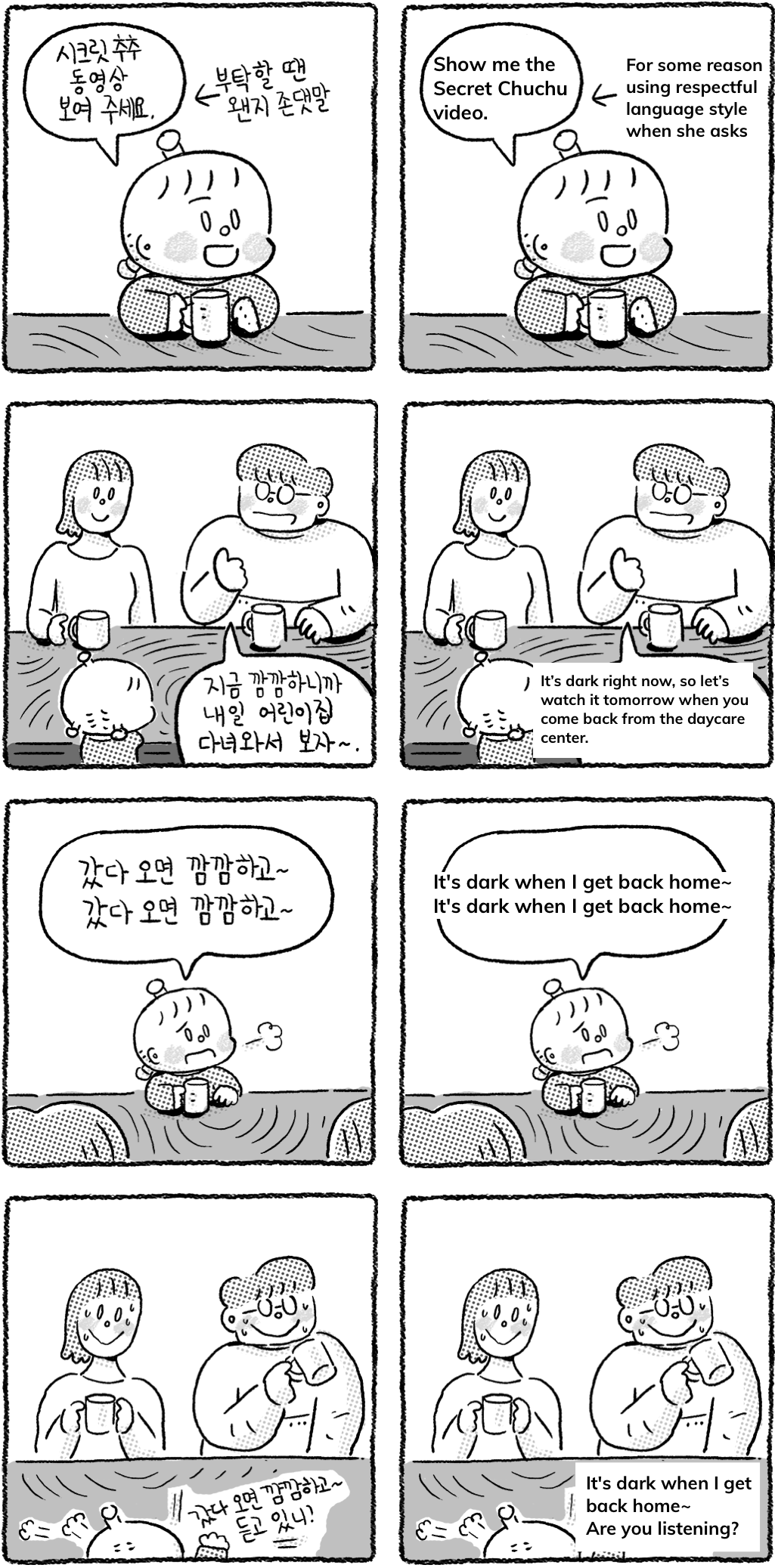
아빠는 N살 (Dad is N years old)
N years since I’ve become a dad, N years living as a dad.
EP. 갔다오면 깜깜하고! It’s dark when I get home!
|
|
🥢 Dive into Tradition with 떡국: A Heartwarming Rice Cake Soup Recipe! 🍲
Let's embark on a culinary journey steeped in tradition as we explore the delightful world of 떡국 (Tteokguk), a savory rice cake soup that holds a special place in Korean hearts, especially during 설날 (Seollal), the Lunar New Year!
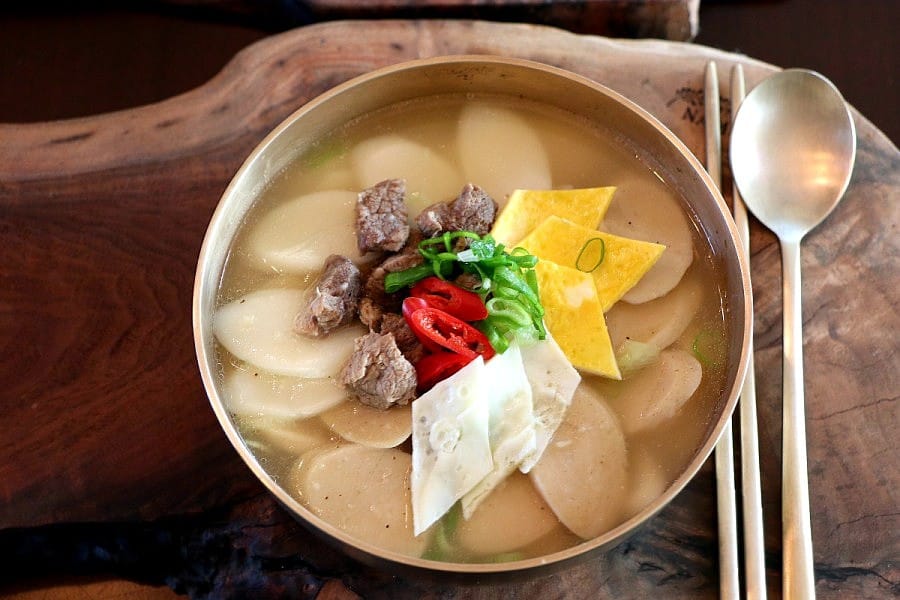
🍚 What is 떡국 (Tteokguk)?
떡국 is a traditional Korean soup featuring thinly sliced rice cakes, known as 가래떡(garaetteok; cylinder-shaped rice cakes), served in a clear, flavorful broth. It is a staple dish during 설, symbolizing the gaining of another year in age and, consequently, wisdom and maturity. Join us in celebrating Korean New Year with this heartwarming and symbolic dish!
🥢 Ingredients for Tteokguk:
가래떡 2컵, 썰어서 (2 cups of garaetteok, chopped)
물 5컵 (5 cups of water)
얇게 썬 소고기나 채식주의자를 위한 버섯 1컵
(1 cup of thinly sliced beef or mushrooms for a vegetarian option)다진 마늘 1큰술 (1 tablespoon of chopped garlic)
간장 1큰술 (1 tablespoon of soy sauce)
소금, 후추 입맛에 따라 (Salt and pepper to taste)
계란 2개, 풀어서 (2 eggs, beaten)
채 썬 대파 (Chopped green onions)
김 (Seaweed)
👩🍳 Instructions:
If the garaetteok are hard, soak them in cold water for 20-30 minutes.
Add thinly sliced beef (or mushrooms) and chopped garlic to a pot and fry with oil until done.
In the pot, bring 5 cups of water and soy sauce to a gentle boil.
Add garaetteok to the pot and boil until they become soft.
Season with soy sauce, salt, and pepper to taste.
Option 1: Griddle the beaten eggs in a separate pan and chop into thin strips.
Option 2: Carefully pour the beaten eggs into the boiling broth while stirring gently to create egg ribbons.
Ladle the 떡국 into bowls and garnish with chopped eggs and green onions, seaweed strips if desired.
맛있게 드세요! - Enjoy your meal!
Warmest Wishes,