- Eggbun's Newsletter
- Posts
- Eggbun Newsletter!
Eggbun Newsletter!
🙋 How to say "Excuse me", Webtoon, Place Worth Visiting📍

Eggbun Education
February 26, 2024
Sponsored by

🙋 Mastering Politeness in Korean: How to Say “Excuse Me” 🙋
안녕하세요!
We hope this newsletter finds you in high spirits and thriving in your Korean language journey.
Today, we're focusing on the various phrases to express "Excuse me" in Korean.
Despite the different translations, all these phrases can be equally used when trying to start a conversation with someone you don't know, and all of them mean "Excuse me"
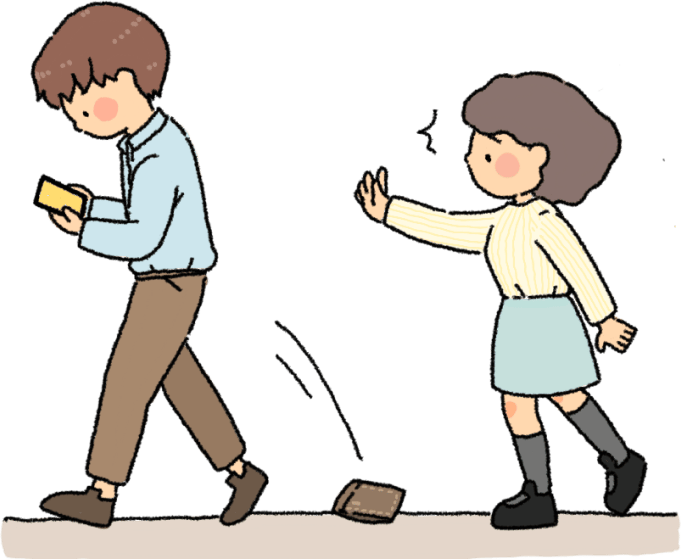
저기(요). Hey.
It’s a friendly way to grab someone's attention. Imagine you're in a bustling Korean market, and you want to say something to a stranger. A simple "저기요!" will do the trick!잠시만요. Wait a moment.
Picture yourself in a crowded subway station, trying to navigate through the masses. "잠시만요" is the perfect phrase to use when you’re politely asking someone to move, to make your way.죄송한데요. I'm sorry but
It is a polite way to begin a conversation and seek someone's attention. Use this phrase when interrupting someone with a question or request.실례합니다. Excuse me.
This phrase is your golden ticket for getting someone's attention politely. Whether you're trying to pass through a crowded area or initiating a conversation with a stranger, "실례합니다" is your versatile companion.
In addition to these phrases we shared, here's a pro tip to sound even more authentic: incorporate "저..." when starting a conversation. "저" is an interjection used when you hesitate to speak because the situation feels a bit awkward or challenging.
Examples:
저... 죄송한데요. 휴대폰 좀 잠시 빌릴 수 있을까요?
(Um... Excuse me. Can I borrow your phone for a moment?)저... 실례합니다. 길 좀 물을 수 있을까요?
(Um... Excuse me. Can I ask for directions?)
Remember, the key to successful communication is not just in the words but also in the context and delivery. Feel free to use these expressions in different situations, adapting them to the level of formality required.
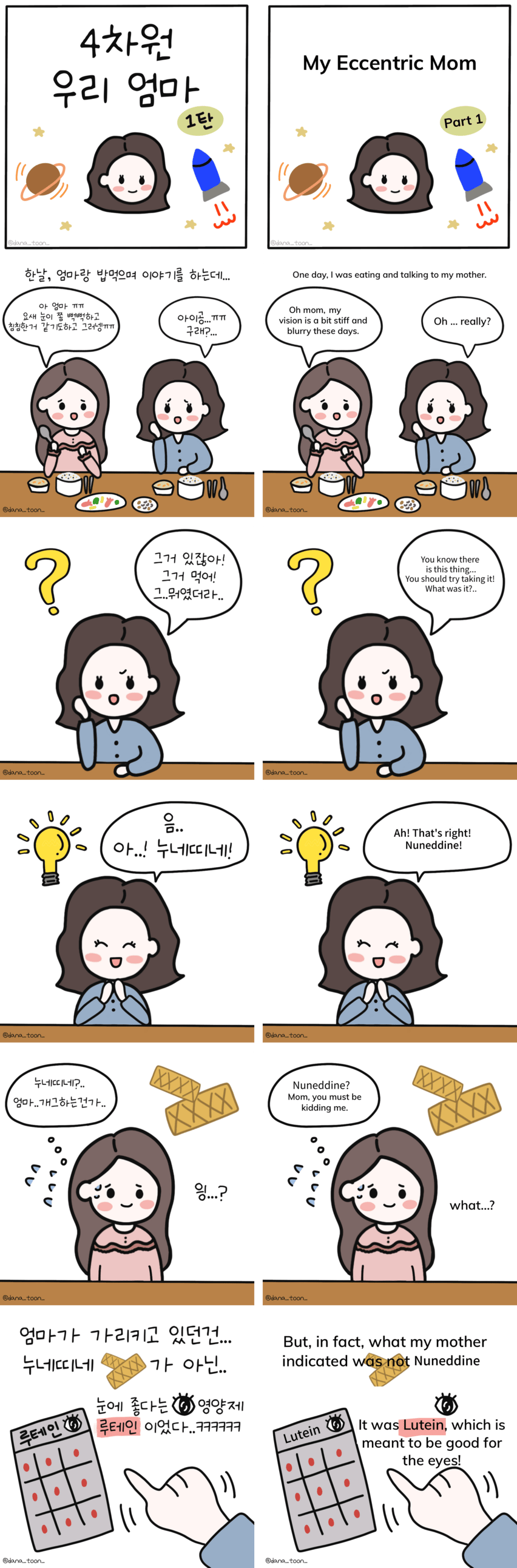
🎞️ Learn Korean through webtoons with Eggbun! 🎞️
다나툰(Danatoon)
EP. 4차원 우리 엄마 My Eccentric Mom
|
|
📍 A Place Worth Visiting for Free Without Reservation in Seoul: <대한민국역사박물관 (The National Museum of Korean History)> 🏙️
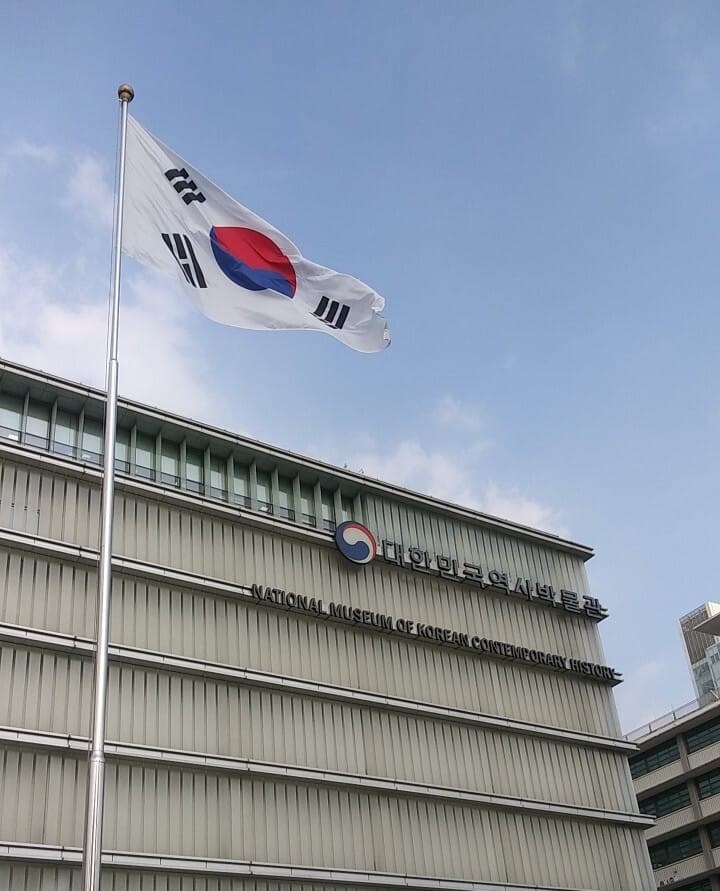
Located in front of Gwanghwamun, The National Museum of Korean History is the first national museum in South Korea that covers the history of the Republic of Korea from the late 19th century, the opening of ports, to the present day.
The exhibition halls are divided into the children's experience exhibition hall, thematic exhibition hall, and permanent exhibition halls.
The permanent exhibition halls are arranged chronologically, with the 1st exhibition hall covering the period from 1894 to 1945. This exhibition explores the efforts and setbacks in the establishment of a modern nation, resistance against Japanese imperial rule, and the evolving lives of people experiencing new cultures and education.
The 2nd exhibition hall, spanning from 1945 to 1987, depicts the process of government establishment after liberation, the Korean War (6.25), and the stories of individuals who worked hard without losing hope to live well, striving for a democratic society and a humane life.
The 3rd exhibition hall, covering the period from 1987 to the present, delves into the stories of individuals who experienced changes in democratization, and globalization after the June Democracy Movement in 1987, shifts in inter-Korean relations after the Cold War, and the emergence of a network society.
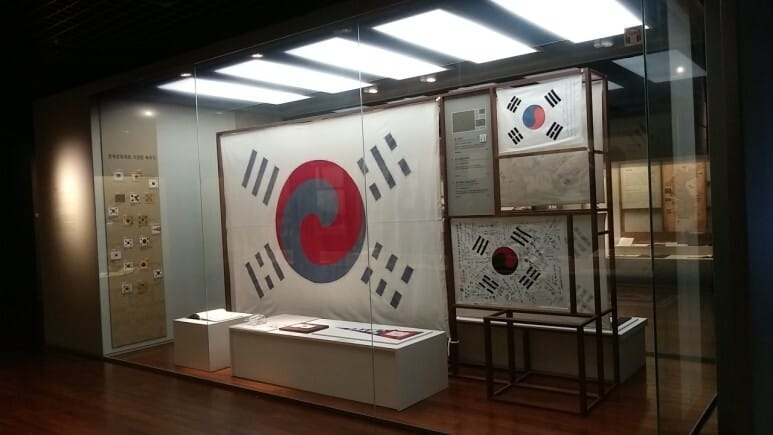
One notable exhibit is the oldest remaining Taegeukgi (Korean national flag), presented to Owen N. Deny, an American diplomatic advisor to Korea, by King Gojong between 1886 and 1890.
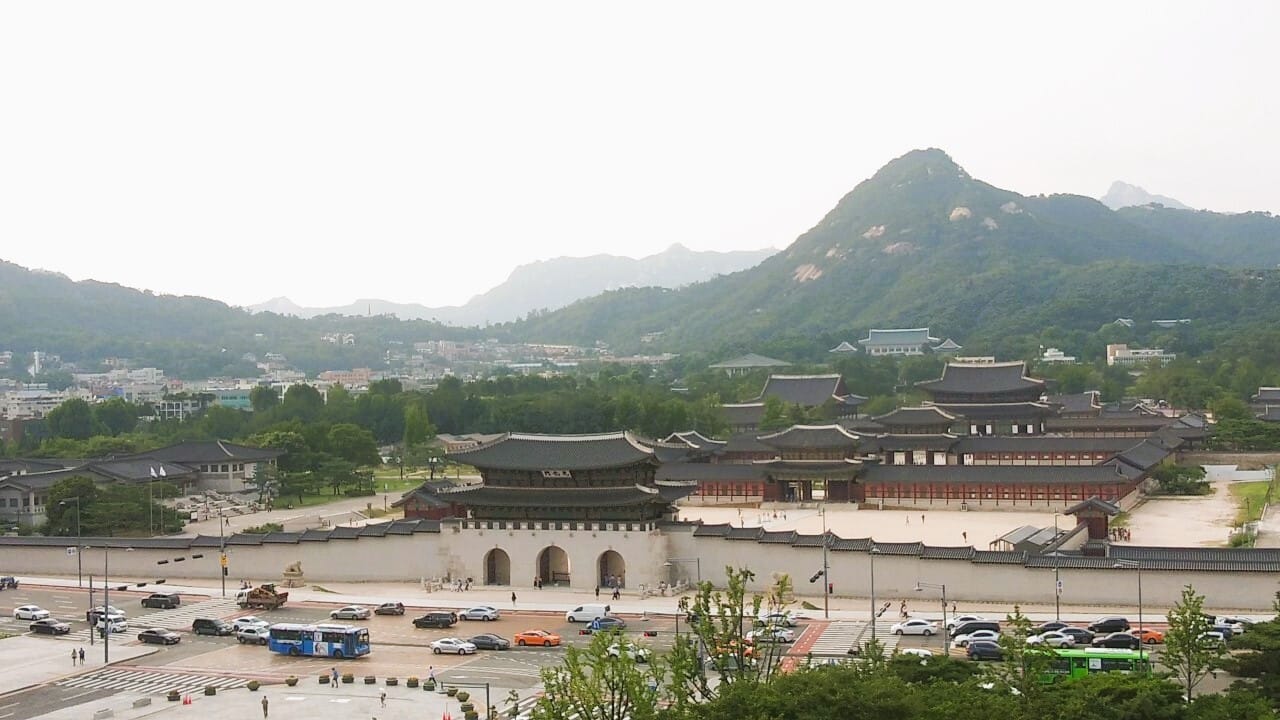
On the 8th-floor 옥상정원(rooftop garden), you can see a panoramic viewpoint offering a clear view of Gyeongbokgung Palace, Cheongwadae (the Blue House), and Gwanghwamun Square.
For capturing night views from this building, We recommend visiting on Wednesdays or Saturdays. Additionally, you can combine your visit with Gyeongbokgung Palace's evening opening day.
On Tuesdays when the palace is closed, is also good to enjoy a view of Gyeongbokgung and a distant look at Cheongwadae.
Hours
Mon/Tue/Thu/Fri/Sun 10:00 ~ 18:00
Wed/Sat 10:00 ~ 21:00
Enter 30 minutes before closing
The Museum is closed on January 1, New Year's Day, Chuseok.
Admission
Entry is free.

Stay up-to-date with AI.
The Rundown is the world’s fastest-growing AI newsletter, with over 500,000+ readers staying up-to-date with the latest AI news, tools, and tutorials.
Our research team spends all day learning what’s new in AI, then distills the most important developments into one free email every morning.